August 10, 2026
Investing in a new fence is one of the most rewarding home improvement projects you can undertake for your property. A well-constructed fence enhances curb appeal, increases privacy, defines property lines, and creates a secure environment for children and pets. However, for many homeowners, the actual installation day can feel a bit mystery-shrouded or overwhelming. Knowing what to expect when heavy equipment arrives and work begins helps ease anxiety and ensures the entire project moves forward without unnecessary delays. Hiring professional fence installers ensures your project runs smoothly from start to finish, transforming your outdoor space efficiently and safely. By understanding each phase of the installation process, you can prepare your yard effectively and collaborate seamlessly with your contracted installation team.
Preparing the Property Before Crew Arrival
The success of installation day largely depends on the preparation completed before any tools touch the ground. In the days leading up to the scheduled start, your installation company will arrange for public utility companies to visit your property and mark underground gas, water, electric, and telecommunication lines with colored paint or flags. As a homeowner, your primary responsibility during this phase is to clear any obstacles along the intended perimeter path. You should move outdoor furniture, lawn ornaments, potted plants, garden hoses, and children's toys at least ten feet away from the work zone so workers can move freely without risking damage to your personal belongings.
Before the fence installers arrive on-site, homeowners can take a few simple steps to get ready. Mowing your lawn a day or two prior makes it much easier for workers to see ground conditions, locate utility marks, and clean up small debris after construction. If you have dogs or other pets, ensure they are kept indoors or secured away from the backyard for the entire duration of the project, as gates will remain open while materials are transported back and forth. Additionally, informing your immediate neighbors about the upcoming construction schedule builds goodwill, especially if workers need brief access to adjoining properties to align panels or trim overhanging branches.
Reviewing the Layout and Boundary Lines
When the crew arrives on the morning of installation, their first order of business is to establish a clear plan with you. When the fence installers unload their equipment, they will first walk the property line with you to confirm the exact placement of string lines, corner posts, and gate openings. This initial walkthrough is the ideal time to review your property survey, point out any hidden underground features like personal sprinkler lines or invisible dog fences, and ask any lingering questions regarding post heights or panel orientation.
Clear communication during this opening phase prevents costly misunderstandings later in the day. The crew leader will set stake points and stretch tight masonry string between corners to mark the precise line where your new fence will stand. This line ensures that every section remains straight, plumb, and completely within your legal property boundaries. If your yard features uneven terrain or steep slopes, the crew will discuss whether stepping the panels or racking the material to follow the natural contour of the land yields the best visual result for your landscape.
Setting the Posts and Securing Foundations
Once the perimeter string lines are locked into place, the crew transitions into the most physically demanding phase of the day: digging post holes and setting structural footings. Posts serve as the backbone of your entire fence, meaning their stability determines how well the fence withstands wind storms, soil settling, and seasonal freeze-thaw cycles over time. Using power augers, post-hole diggers, or specialized hydraulic machinery, workers drill holes down to precise depths specified by local building codes and soil conditions.
Skilled fence installers pay close attention to digging post holes to the proper depth below the frost line to prevent ground heaving. Each vertical post is placed into its designated hole, adjusted with spirit levels to guarantee absolute vertical alignment, and anchored securely. Depending on the material chosen—whether wood, vinyl, chain link, or ornamental metal—the posts are braced and set in concrete or packed firmly with crushed gravel footings. The concrete must set properly to create an unyielding foundation before any heavy horizontal weight is attached.
Attaching Rails and Installing Main Panels
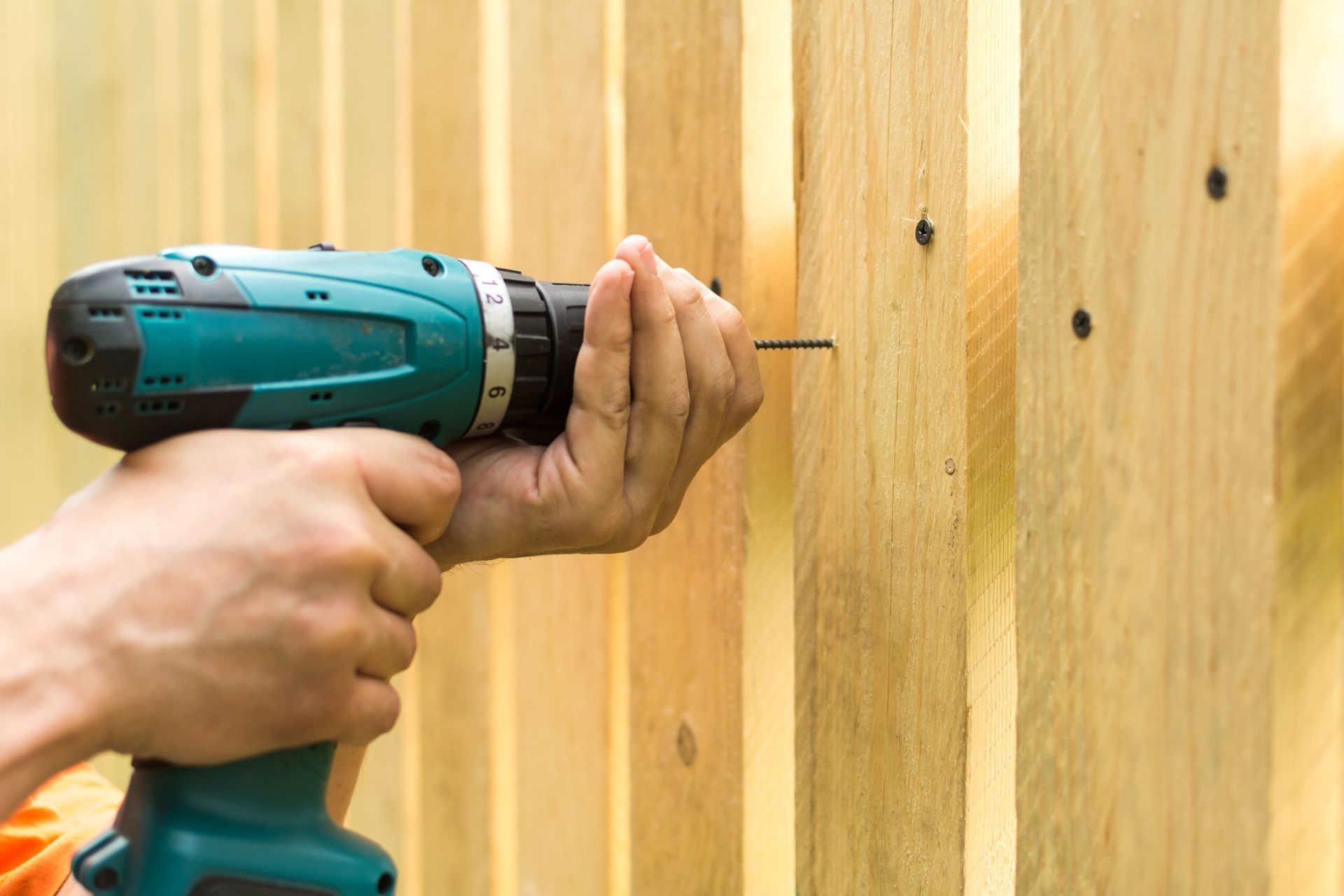
After the vertical post network is rigidly secured in the ground, the construction shifts toward assembling the horizontal framework and individual panels. For custom-built wooden fences, workers attach sturdy horizontal runner rails between the posts before nailing pickets into place. For pre-manufactured vinyl, composite, or metal systems, pre-assembled panel sections are carefully lifted, aligned, and fastened directly to bracket assemblies mounted on the posts.
Once the concrete sets, the fence installers begin mounting horizontal rails and pickets with precise spacing. This stage is where your project rapidly takes visual shape, turning an open yard into a defined, private retreat in a matter of hours. Crew members continuously check levels and line alignments along the top edge of each panel to maintain a clean, uniform top silhouette across the entire length of your property line.
Hanging Gates and Customizing Hardware
Installing gates requires a high degree of precision, as gates are the only moving mechanical component of your new perimeter fence. Even a minor fraction of an inch of misalignment can cause latches to stick, hinges to bind, or gates to sag over time. Workers take extra care when setting gate posts, frequently reinforcing them with thicker steel or deeper concrete footings to handle the dynamic physical forces of swinging doors.
During this phase, hardware including heavy-duty hinges, drop rods, self-closing springs, and decorative latches are attached and tested multiple times. The installation team adjusts hinge tension and latch alignment to guarantee that every gate swings smoothly, closes securely, and latches effortlessly. If you requested specialized locking mechanisms, child-safe pool latches, or wide double-drive gates for lawnmower access, the crew will demonstrate how to operate and maintain these features properly.
Performing Quality Inspection and Site Cleanup
As construction nears completion, the crew shifts its focus toward site restoration and final quality assurance. Building a structural boundary generates displaced soil, wood offcuts, packaging materials, and concrete dust. Responsible crews gather all construction waste, rake down loose dirt mounds around post bases, and pack away their tools to leave your property neat. Before leaving the property, the fence installers conduct a final walkthrough with the homeowner to inspect every foot of the finished fence. During this inspection, you will review post stability, panel alignment, gate operation, and overall craftsmanship together.
Understanding Timelines and Project Duration
Many homeowners wonder how long their installation will take from start to finish. The overall duration depends heavily on total footage, terrain difficulty, soil composition, weather conditions, and material selection. According to Bob Vila, installing a fence spanning 150 to 200 feet typically requires roughly 20 to 35 hours of labor. Smaller residential replacement projects can often be completed in a single day, while larger custom builds or properties with rocky soil may require two to three days of continuous labor.
Understanding this timeframe helps set realistic expectations for your daily routine. On multi-day projects, post concrete is often allowed to cure overnight before panels are attached on the second day. Professional crews work systematically to minimize disruptions to your household, keeping equipment organized and maintaining a clean work footprint throughout each working day.
Working with experienced fence installers transforms your yard while giving you peace of mind throughout the entire renovation process. By understanding what happens on installation day, you can approach your home improvement project with complete confidence, knowing exactly how professional craftsmanship turns raw materials into a durable, beautiful boundary that protects and enhances your home for years to come. Contact Western Pacific Fence today to schedule your consultation and bring expert craftsmanship, security, and lasting curb appeal to your property.