May 11, 2026
Choosing a fence for your property involves balancing aesthetic appeal with long-term performance. Homeowners often find themselves torn between the modern look of metal and the classic warmth of wood. Cedar stands out as a premier selection because it naturally bridges the gap between elegance and strength. This specific wood species possesses inherent qualities that allow it to withstand the elements while providing a timeless backdrop for any landscape design. When you invest in a cedar structure, you are choosing a material that ages gracefully and enhances the overall value of your home. Understanding the specific advantages of this wood will help you see why it remains a top choice for residential boundaries across the country.
Appreciating the Natural Aesthetic Appeal
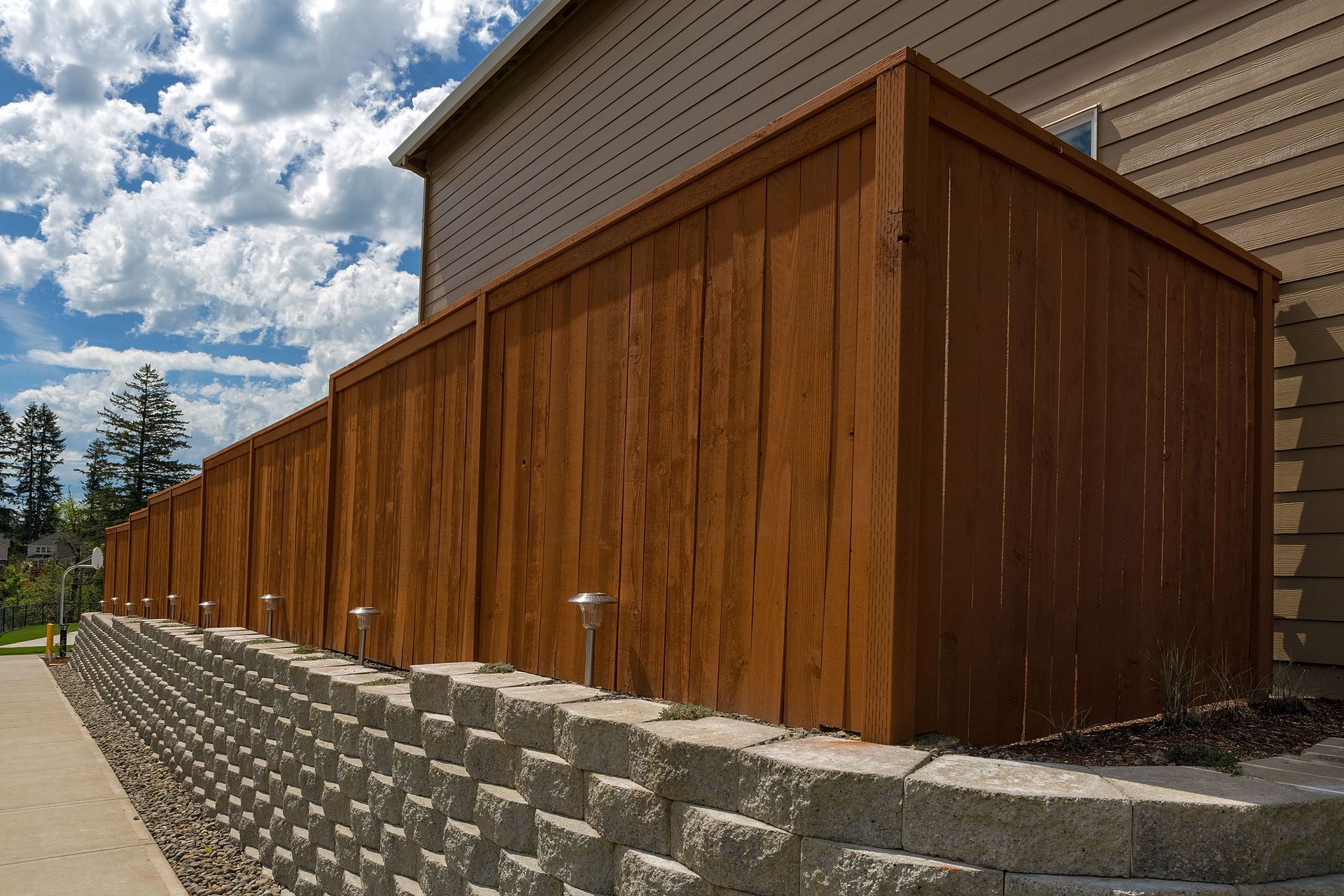
The visual warmth of cedar remains unmatched by synthetic fencing materials available on the market today. Its rich grain patterns and varied color palette, ranging from light amber to deep reddish brown, create a sophisticated look for any backyard. Unlike pressure-treated lumber that often has a greenish tint or artificial vinyl that can look sterile, cedar offers a high-end organic texture. This natural beauty allows the structure to blend seamlessly with gardens and wooden decks. Homeowners who prioritize curb appeal frequently select this material to create an inviting atmosphere that feels both sturdy and welcoming.
The versatility of the wood also allows for various staining and finishing options to match your personal style. While some people prefer to let the wood weather into a silvery gray patina, others apply clear sealants to maintain the original vibrant hues. Professional fence installers can provide guidance on which finishes will best highlight the unique character of the wood fibers in your specific climate. Because the wood is naturally porous, it absorbs stains deeply and evenly, which results in a consistent appearance throughout the entire perimeter. This adaptability ensures that your boundary will complement the architectural style of your home for many seasons to come.
Evaluating the Inherent Decay Resistance
One of the most impressive characteristics of cedar is its ability to fight off rot and insect damage without the need for harsh chemical treatments. The heartwood of the tree contains natural oils and tannins that act as a built-in preservative against moisture and pests. These organic compounds create a hostile environment for termites and carpenter ants, which prevents the structural degradation often seen in lesser wood types. This internal protection makes it an ideal candidate for outdoor applications where constant exposure to rain and humidity is a concern. Homeowners can rest easy knowing their investment is naturally equipped to handle the rigors of the outdoors.
Beyond resisting pests, the wood is exceptionally stable and resistant to the common issues of warping or shrinking. Because it is a dimensionally stable species, it maintains its shape and alignment even when subjected to fluctuating temperatures and moisture levels. This stability prevents the unsightly gaps and twisted boards that can plague other wooden structures over time. Working with experienced fence installers ensures that the panels are set correctly to take full advantage of these physical properties. When the material is allowed to function as intended, it remains straight and true, which preserves the integrity of the barrier and the privacy of your yard.
Maximizing the Long Term Durability
The lifespan of a cedar fence is a testament to its quality as a construction material. While other woods might begin to fail within a decade, cedar is known for its endurance and longevity. Proper installation and occasional maintenance can extend the life of the wood significantly beyond industry averages for standard lumber. According to Backyard Boss, cedar fences can have a lifespan of up to 30 years when properly maintained. This impressive duration makes it one of the most cost-effective options for those who want a permanent solution rather than a temporary fix.
Achieving this level of longevity requires a commitment to routine care and professional oversight. Applying a water repellent sealer every few years will help the wood retain its natural oils and prevent the surface from becoming brittle. It is also important to keep the bottom of the pickets clear of soil and heavy vegetation to reduce constant moisture contact. Engaging with skilled fence installers for periodic inspections can help identify small issues before they become major repairs. By following a simple maintenance schedule, you ensure that the structure remains a beautiful and functional part of your property for decades.
Enhancing the Privacy and Security
Privacy is a primary motivation for many homeowners who decide to install a new perimeter around their land. Cedar is an excellent choice for privacy designs because the boards can be fitted tightly together without the risk of significant expansion or contraction. Whether you choose a solid board style or a shadowbox design, the density of the wood provides an effective visual and physical barrier. This creates a secluded sanctuary where your family can relax away from the eyes of neighbors or passersby. The solid nature of the wood also helps to dampen neighborhood noise, which adds to the tranquility of your outdoor space.
Security is another vital benefit provided by a well-constructed cedar barrier. The strength of the wood makes it difficult to breach, providing a reliable deterrent against unauthorized entry. High-quality fasteners and heavy-duty posts are essential components that reinforce the overall stability of the system. Dedicated fence installers understand the importance of depth and spacing when setting posts to ensure the structure can withstand high winds and physical pressure. A secure perimeter not only protects your belongings but also provides a safe environment for children and pets to play freely.
Considering the Environmental Sustainability Factors
Choosing cedar is an environmentally responsible decision for homeowners who are conscious of their ecological footprint. As a renewable resource, wood is far more sustainable than plastic or metal alternatives that require massive amounts of energy to produce. Most cedar used for fencing is harvested from managed forests where new trees are planted to replace those that are cut down. This cycle ensures a continuous supply of material while protecting the long-term health of the forest ecosystems. Furthermore, wood acts as a carbon sink by storing carbon dioxide throughout its entire life as a functional fence.
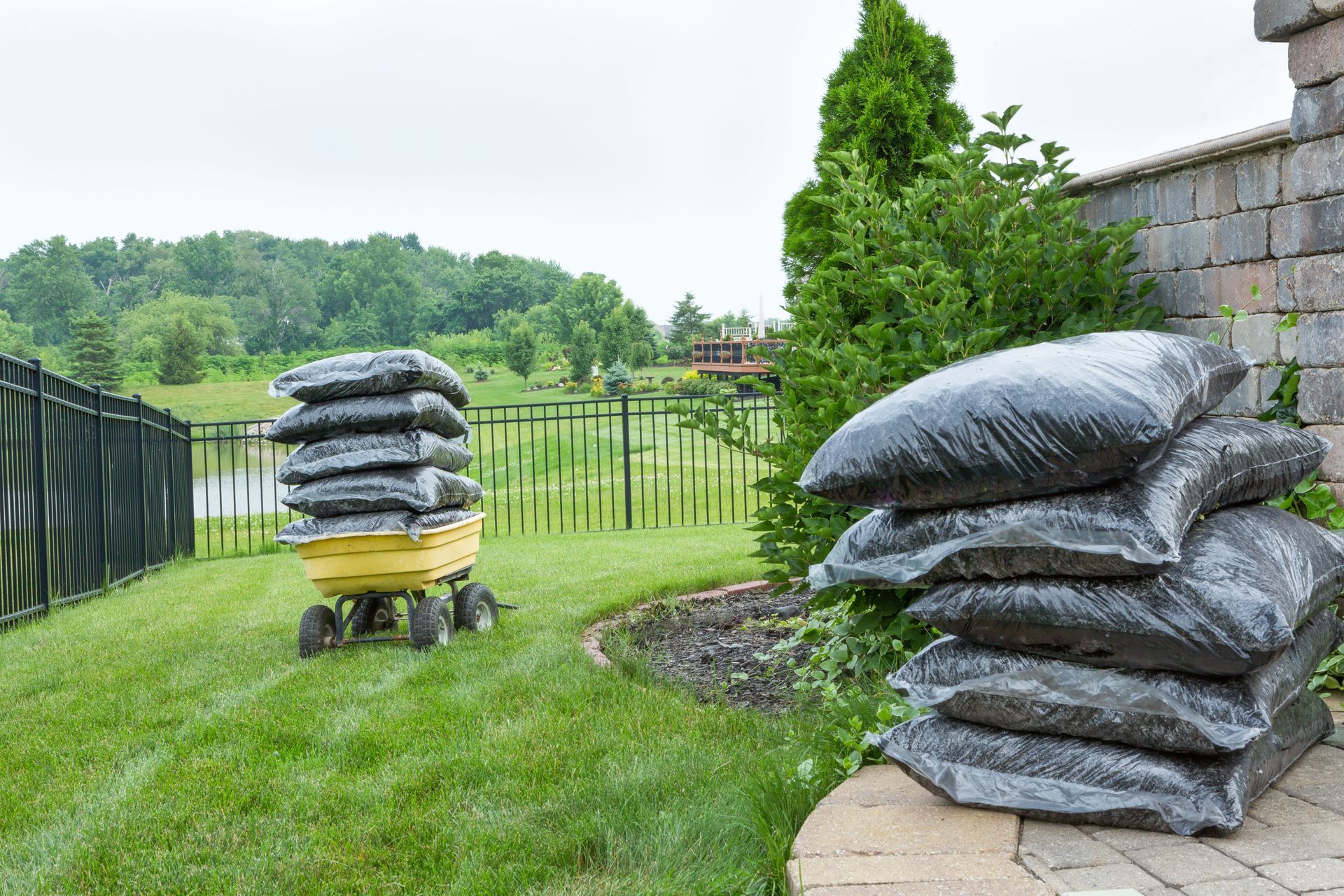
At the end of its long life cycle, cedar is completely biodegradable and does not contribute to landfill waste in the same way synthetic materials do. It can be recycled into mulch or wood chips rather than sitting in a waste facility for centuries. The absence of chemical preservatives also means that the wood is safe to use around gardens and play areas without the risk of soil contamination. Many fence installers advocate for cedar because it offers a high-performance solution that aligns with green building practices. By selecting this natural material, you are supporting a sustainable industry and making a positive impact on the planet.
Investing in a cedar fence is a decision that brings together the best of nature and engineering. From its stunning visual presence to its remarkable ability to resist the elements, cedar offers a level of performance that few other materials can match. It provides a private, secure, and beautiful environment that enhances your lifestyle while respecting the natural world. By understanding the long-term benefits of durability and the low environmental impact, you can feel confident in your choice for your property. For those ready to transform their landscape with a structure that stands the test of time, the next step is reaching out to professionals who can bring that vision to life. To begin your project and experience the lasting quality of a premium wood installation, contact our premier fence installers at Western Pacific Fence.