October 13, 2026
Managing agricultural property involves numerous responsibilities, among which establishing secure boundary lines remains a foundational priority. Farm animals require dedicated containment solutions to ensure their daily protection, maintain healthy grazing habits, and prevent unwanted movement across vast landscapes. Whether caring for cattle, horses, sheep, goats, or poultry, livestock owners face continuous challenges from environmental factors, natural predator instincts, and unpredictable animal behaviors. A poorly constructed enclosure can lead to frequent escapes, injuries, or conflicts with surrounding landowners. Choosing to work with an experienced fence builder allows agricultural operators to design tailored structures that address the unique physical strength, jumping capability, and temperament of each species housed on the property.
Preventing Livestock Wandering and Accidental Escapes
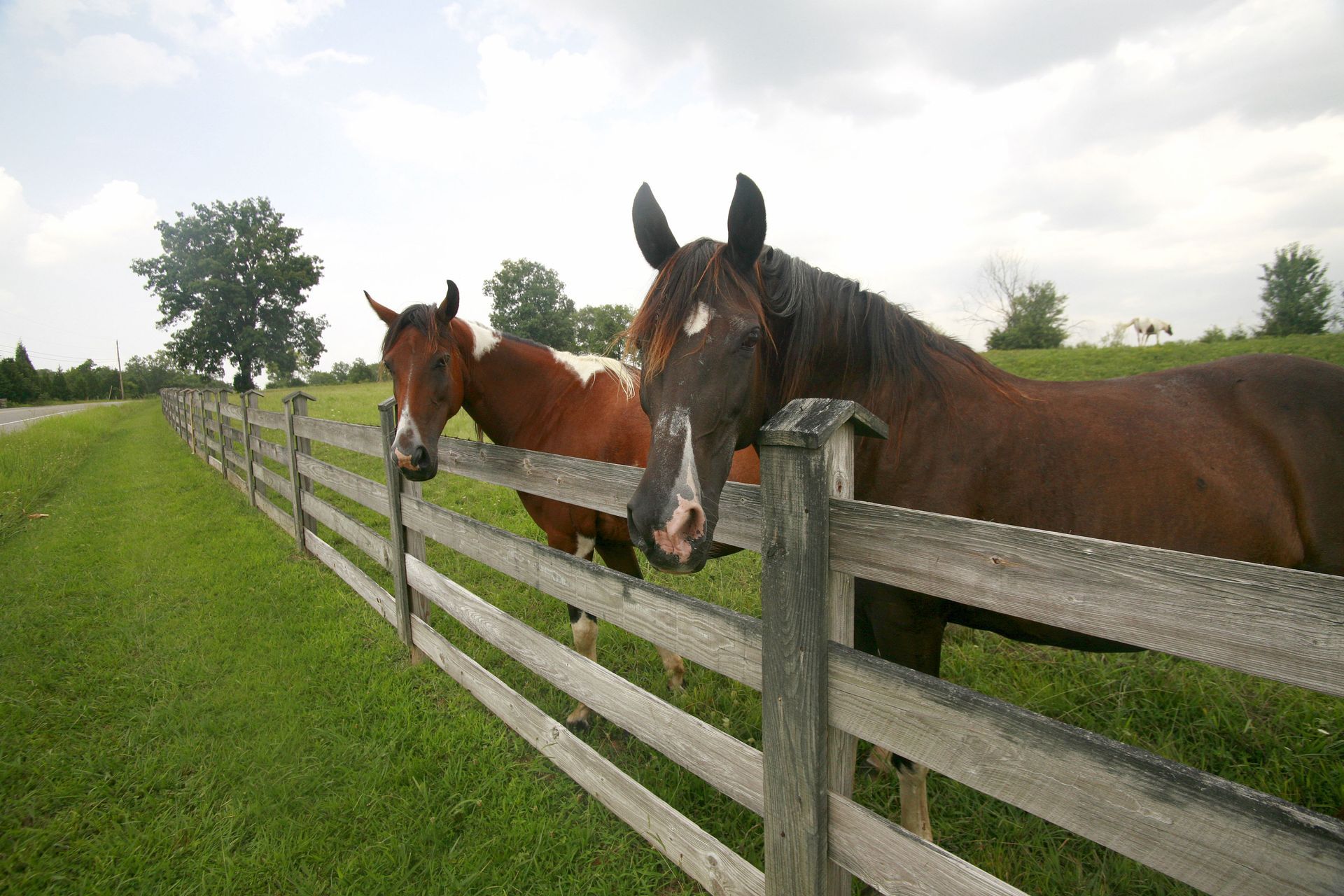
Livestock animals possess natural herd instincts and innate curiosity, often leading them to search for fresh grazing areas beyond designated pasture boundaries. When perimeter structures deteriorate or lack structural integrity, animals easily find weak points to push through, crawl under, or leap over. Escaped livestock present severe safety risks to neighboring properties and nearby roadways, where sudden encounters with motor vehicles can cause tragic accidents. Partnering with a skilled fence builder guarantees that pasture perimeters are planned and erected using appropriate material tension, post spacing, and corner bracing to withstand heavy pressure from curious animals attempting to venture beyond their enclosures.
In addition to mitigating traffic hazards, preventing animal straying protects livestock from consuming harmful plants located on adjacent lands. Agricultural pastures are carefully managed to eliminate toxic weeds, poisonous flora, and hazardous debris that could harm grazing animals. When animals wander into unmanaged areas or roadside ditches, they face heightened risks of ingesting dangerous substances or becoming trapped in hazardous terrain. High-quality containment ensures that livestock remain strictly within safe, monitored grazing environments designed specifically for their nutritional health and physical security.
Protecting Herds from Wild Predators and Strays
Agricultural operations constantly face threats from predatory wildlife such as coyotes, foxes, wolves, and mountain lions, as well as roaming domestic dogs. Vulnerable livestock, particularly newborn calves, lambs, kids, and poultry, require robust physical barriers to prevent predator intrusion. Standard boundary lines often fail to deter determined predators that dig, climb, or force their way into pastures. A professional fence builder assesses regional wildlife threats and integrates specialized features, such as buried wire meshes or heavy-duty woven wire, to create formidable defensive perimeters around vulnerable stock.
Beyond direct physical attacks, the mere presence of predators lurking near pastures can induce severe stress in farm animals. Chronic stress leads to reduced milk production, poor weight gain, behavioral panic, and accidental injuries caused by trampling or fence collisions as animals attempt to flee perceived threats. Establishing strong, visually clear barriers creates a secure sanctuary where livestock can graze and rest quietly. Proper construction deters predators from establishing hunting patterns near the farm, safeguarding the health and productivity of the entire herd.
Minimizing Livestock Injuries and Physical Trauma
Improperly installed or poorly maintained boundary materials represent a major cause of livestock injuries on rural properties. Loose barbed wire, exposed sharp nails, splintering wooden rails, and sagging chain links can cause deep lacerations, puncture wounds, and severe entanglements. Horses, for instance, are notoriously prone to panic and can suffer severe injuries if entangled in inadequate wire structures. Consulting a knowledgeable fence builder ensures that material selection aligns perfectly with the specific species housed, utilizing smooth wire systems, high-tensile mesh, or wide vinyl rails designed specifically for animal safety.
Proper installation techniques also prevent structural collapses that occur when animals lean, rub, or press against enclosure walls. Heavy cattle frequently utilize perimeter posts as scratching posts, exerting massive pressure that can snap weak supports or pull staples from posts. Professional assembly involves setting posts at appropriate depths in solid concrete or compacted gravel, utilizing heavy-duty fasteners, and maintaining optimal line tension. These rigorous construction standards prevent sagging wires and loose posts, eliminating physical hazards that could entangle or injure valuable animals.
Facilitating Rotational Grazing and Pasture Control
Efficient pasture management relies heavily on dividing expansive acreage into smaller, manageable paddocks to implement rotational grazing systems. Moving herds systematically between pastures prevents overgrazing, encourages healthy forage regrowth, and reduces soil erosion. Internal dividing lines must be durable yet flexible enough to accommodate routine animal movements and equipment access. Engaging a qualified fence builder allows property owners to lay out efficient interior corridor systems, streamlining animal transfers between grazing zones, feeding barns, and handling facilities.
Well-planned internal paddock divisions also assist in isolating sick or injured animals, managing breeding groups, and weaning young livestock safely. Grouping animals according to age, health status, or nutritional requirements ensures proper herd care and prevents aggressive dominant animals from monopolizing feed resources. Having robust interior enclosures allows farm managers to maintain total control over herd dynamics, facilitating smooth daily operations, veterinary care, and routine health inspections with minimal stress for both handlers and animals.
Enhancing Property Security and Privacy Boundaries
Establishing clear, substantial perimeters around agricultural land protects property boundaries from unauthorized human access, trespassing, and rural theft. Agricultural equipment, specialized livestock, and breeding stock are valuable assets that require protection from intruder entry. A robust perimeter structure serves as a clear physical and visual indicator of private property lines, discouraging unauthorized hunters, hikers, or motorized vehicles from crossing onto agricultural terrain. Working with an expert fence builder ensures that perimeter gates and corner posts are solidly anchored, providing long-term security across expansive border lines.
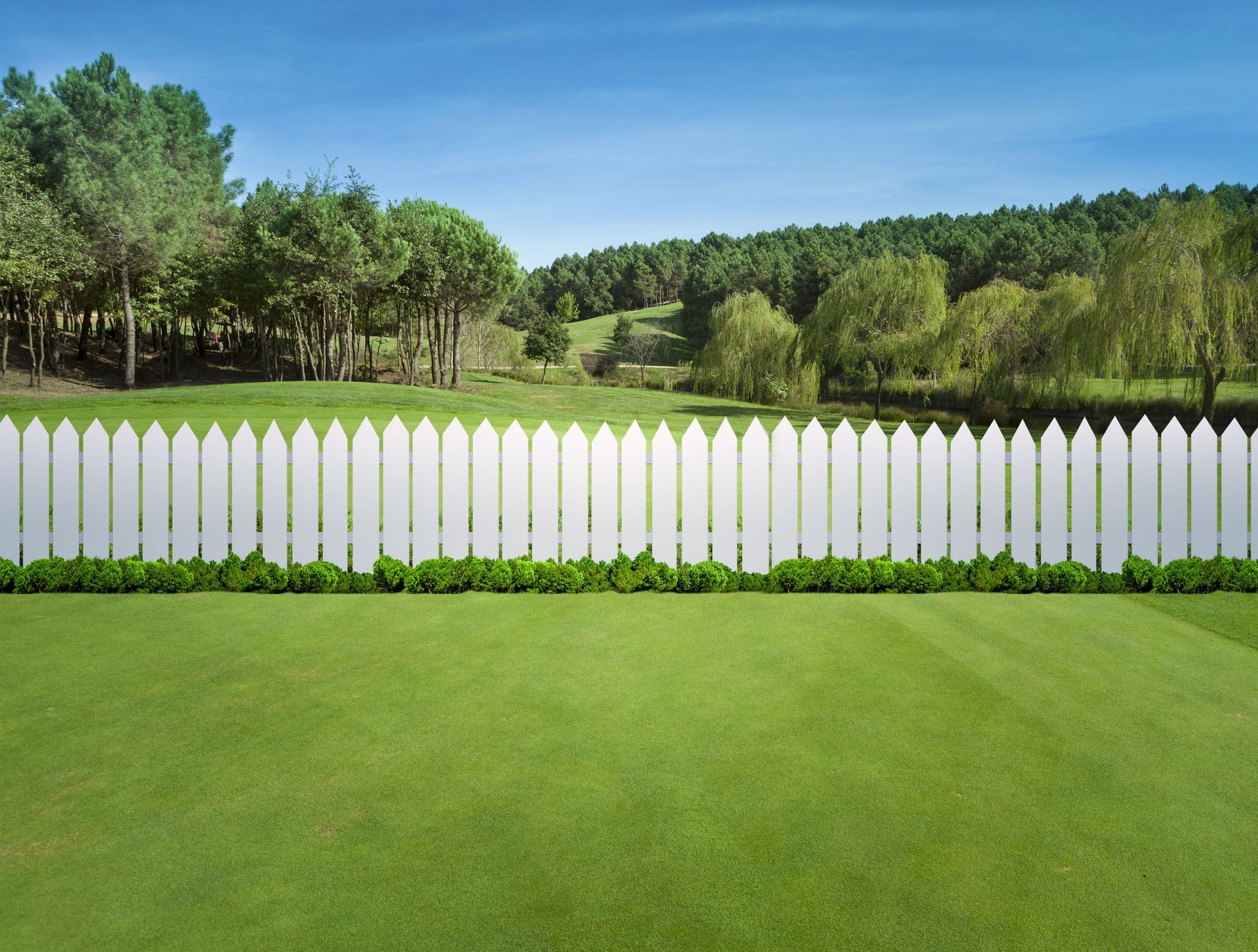
Additionally, visual separation plays an important role in calming livestock near public roads or adjacent developments. According to The Spruce, installing an enclosure at least six feet high is recommended when personal privacy is your primary goal. While agricultural applications focus heavily on livestock containment, applying appropriate structural height near busy roads prevents animals from becoming distracted or frightened by passing traffic, pedestrians, or barking dogs. Reducing external visual distractions maintains a peaceful pasture atmosphere, preventing herd panics and ensuring that farm animals remain calm within their designated living spaces.
Ensuring Long-Term Structural Stability and Reliability
Agricultural enclosures are constantly exposed to severe environmental stressors, including intense solar radiation, heavy rainfall, freezing temperatures, high winds, and soil shifting. Subpar materials or amateur installation practices quickly succumb to rot, rust, post leaning, and line slackening, requiring continuous repairs and creating safety hazards. Relying on a master fence builder guarantees the use of commercial-grade, weather-resistant materials, such as pressure-treated posts, galvanized steel wire, and heavy-gauge hardware engineered to endure severe weather conditions for decades.
Furthermore, proper ground installation techniques ensure that post foundations remain stable through seasonal freeze-thaw cycles and heavy rain-saturated soil. Professionals possess the specialized heavy machinery required to drive posts deep into hard-packed or rocky terrain, ensuring vertical alignment and structural stability. Investing in superior construction practices eliminates ongoing maintenance headaches, providing farm managers with reliable livestock protection that preserves property functionality and safeguards animals through all seasons.
Securing farm animals with high-quality, professionally constructed enclosures is an indispensable aspect of responsible livestock management. From preventing accidental straying and deterring aggressive predators to minimizing physical injuries and supporting efficient pasture rotation, proper boundary structures safeguard the health, well-being, and productivity of your herd. Investing in expertly engineered agricultural enclosures provides long-term peace of mind and structural durability across your entire property.
If you are ready for superior pasture protection and durable agricultural containment, contact a fence builder at Western Pacific Fence today. We will help you secure your livestock with custom solutions built to last.