December 11, 2025
Fencing not only enhances the aesthetic appeal of your outdoor space but also offers privacy, security, and defines boundaries. Let's take a moment to explore various fencing options and provide practical tips to enhance any type of yard. Whether you have a sprawling garden or a cozy patio, the right fence can transform your outdoor area.
Understanding Your Fencing Needs
Analyzing the Purpose of Your Fence
Fencing serves multiple purposes, and understanding your primary need is pivotal before making a choice. Privacy is a common reason homeowners opt for fences, as they help create secluded outdoor spaces away from prying eyes. In addition to privacy, fences offer security by deterring trespassers and keeping pets and children safely within the yard. For some, the boundary definition is crucial, clearly marking the extent of their property. Whatever the reason, analyzing your intent will guide you toward the optimal fencing solution.
The functionality of a fence should align with its intended purpose, ensuring maximum utility. For instance, a homeowner desiring privacy might consider a taller backyard or side-yard fence, which can typically up to six or eight feet, according to The U.S. Sun to shield their yard completely. Conversely, someone focused on aesthetics might prioritize fence design and materials over height. Understanding these nuances will help in making a balanced decision that serves both purpose and preference. While aesthetics are important, functionality should never be compromised for appearance.
Assessing Property Features and Challenges
Before deciding on a fence, it is crucial to assess the unique features and challenges of your property. The terrain of your yard plays a significant role in determining the type of fence that is most suitable. For instance, properties with uneven or sloped land may require specialized designs to ensure stability and effectiveness. Understanding the layout of your yard will aid in selecting a fence that complements and conquers any natural challenges. Additionally, acknowledging pre-existing structures and plant life will guide the integration of the fence into your current landscape.
Considering Budget Constraints
Budgeting is a critical step in any fencing project, influencing material choice, design features, and installation methods. Setting a realistic budget ensures that you explore options within your financial means and avoid unexpected costs. Different materials and styles come with varying price points, which should be factored into the overall financial plan. For instance, while wooden fences are typically more affordable, vinyl and metal options may offer better longevity. Understanding these cost differences is vital in making an informed decision aligned with your budget.
Exploring Different Fencing Materials
Traditional Wooden Fences
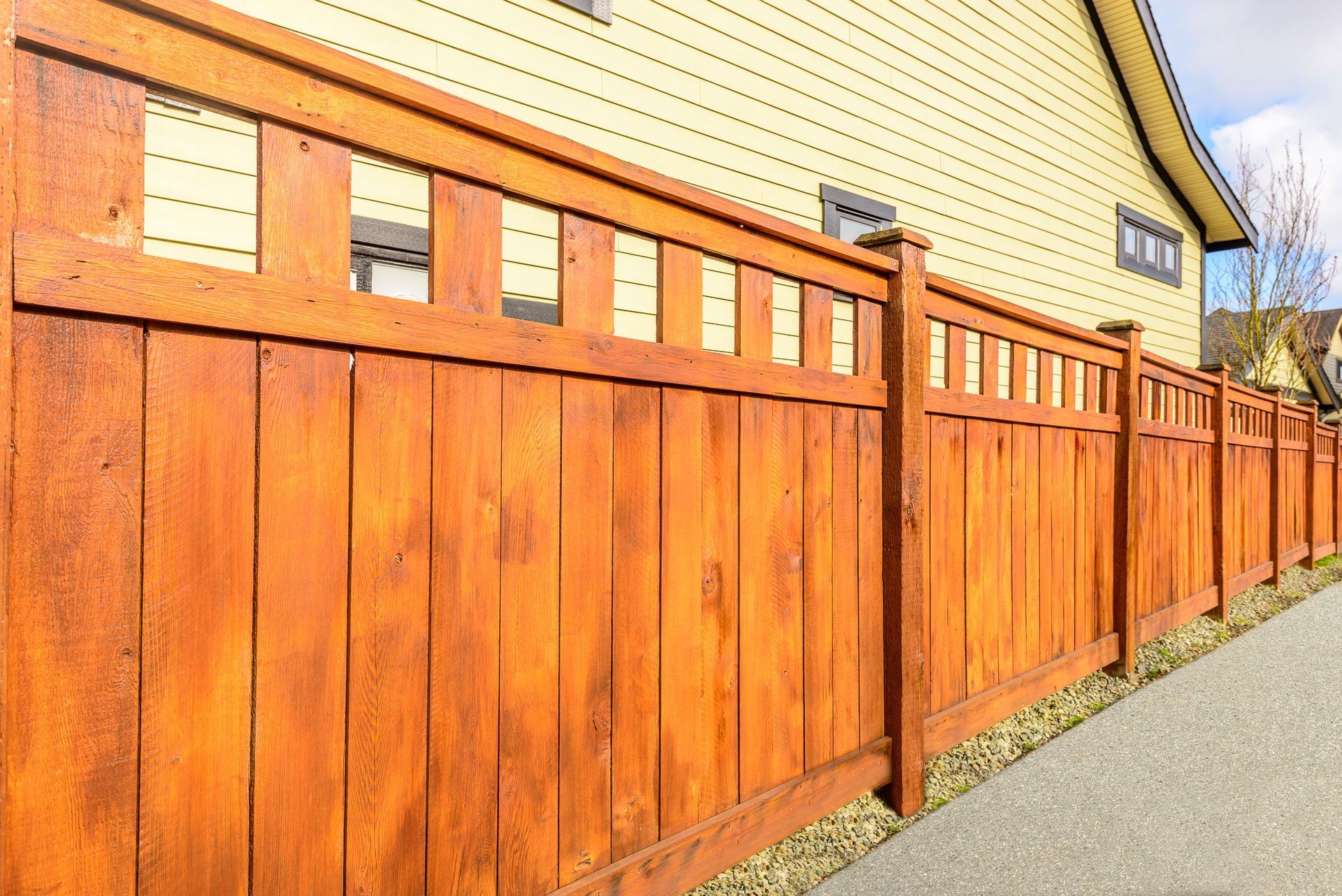
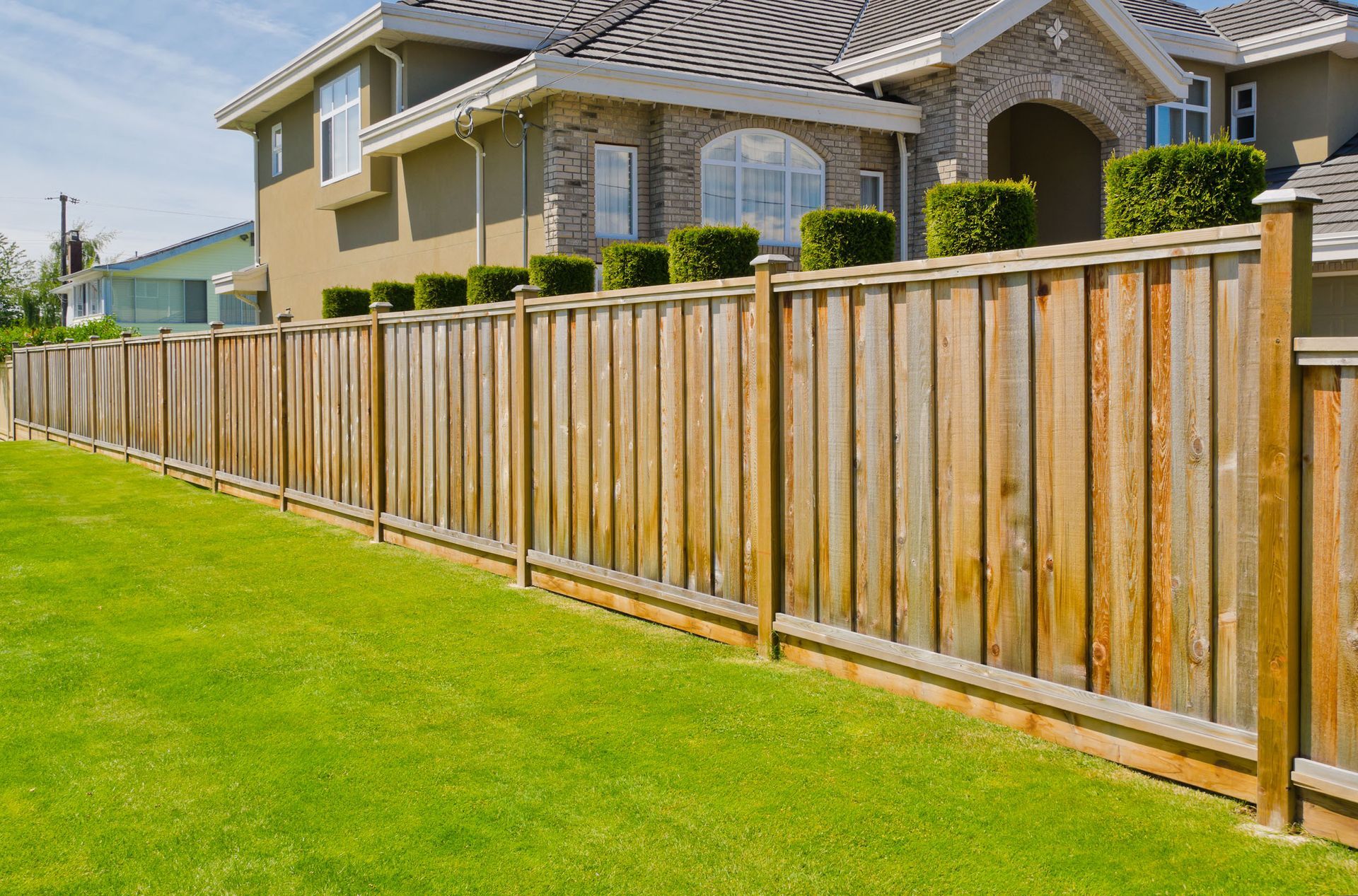
Wooden fences have long been a popular choice for homeowners due to their natural aesthetics and versatile application. These fences offer timeless charm and can be painted or stained in various hues to match any home's exterior. In addition to their visual appeal, wooden fences are customizable in terms of height and style, making them suitable for both privacy and decorative purposes. While they provide substantial coverage, these fences require regular maintenance to prevent deterioration from weather and pests. Despite such upkeep needs, wood remains an accessible and affordable material for many.
The choice of wood type plays a significant role in the durability and cost of a wooden fence. Cedar and redwood are popular for their natural resistance to decay, while pressure-treated timber is commonly used for its enhanced durability against insect damage. Offerings of hardwood fencing provide superior longevity but come at a higher cost. The desired longevity and aesthetic influence the selection of wood, ensuring that the choice aligns with maintenance expectations and budgetary constraints. Understanding these distinctions helps in making an informed decision.
Durable Vinyl Options
Vinyl fencing has gained popularity in recent years due to its durability and low-maintenance properties. This material offers a clean, modern look while standing up to harsh weather conditions without fading, chipping, or cracking. For those seeking a fence that requires minimal upkeep while providing a fresh appearance, vinyl is an excellent choice. Unlike wood, it doesn't splinter and is resistant to pests, making it a practical option for families with pets and children. Although initially more expensive than wood, the durability and reduced maintenance costs of vinyl often result in long-term savings.
Vinyl fencing is available in various styles and colors, allowing homeowners to choose options that complement their specific outdoor environments. The versatility of vinyl materials can accommodate both privacy and ornamental fencing designs, offering a robust solution tailored for any property. Advanced manufacturing techniques have enabled the creation of vinyl that mimics the appearance of natural materials, like wood grain, providing aesthetic flexibility. These attributes equip vinyl to meet diverse needs with consistent performance. Choosing vinyl thus involves a balance of functional and visual considerations.
Modern Metal Alternatives
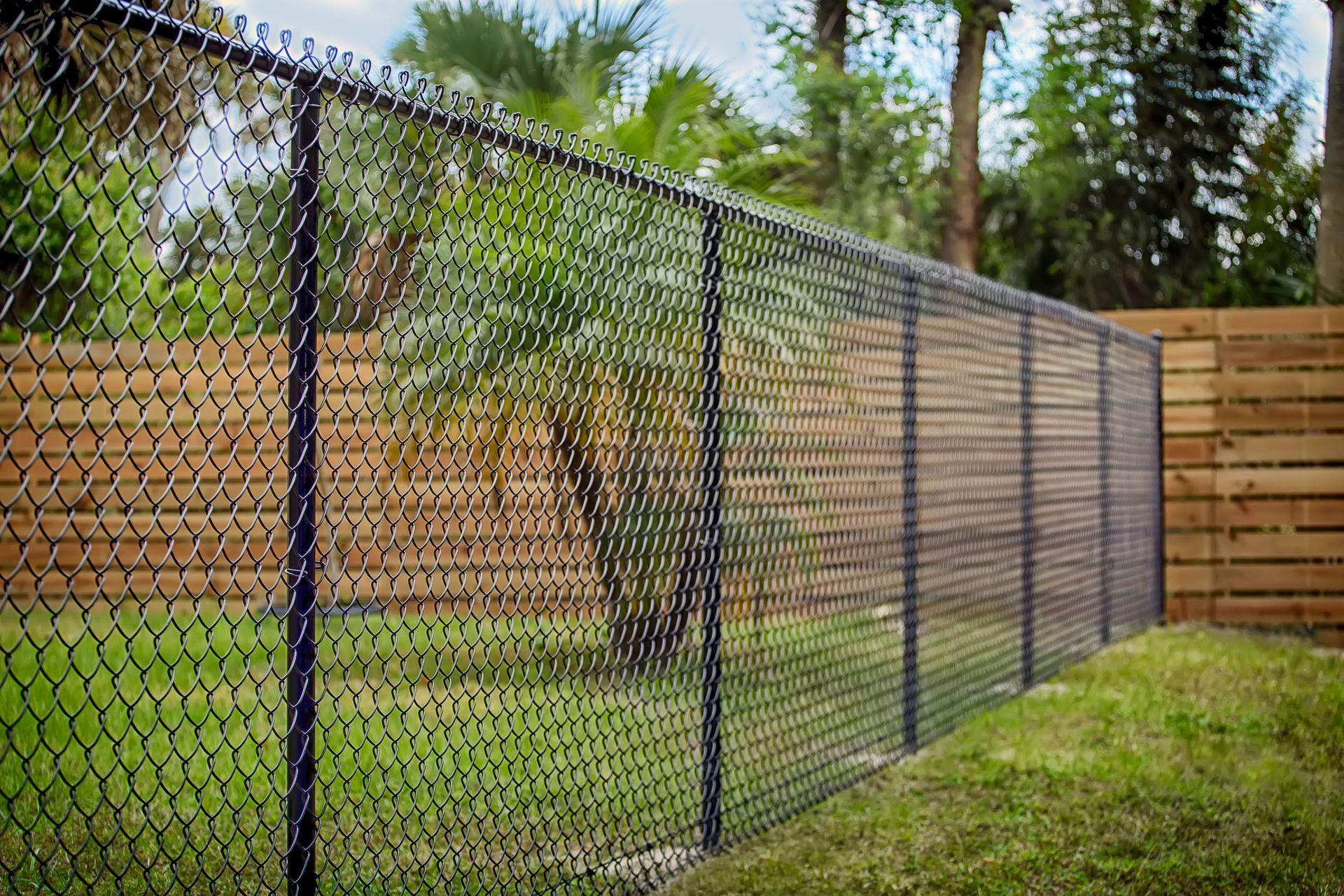
Metal fences offer a modern alternative, combining durability with contemporary aesthetics for varied applications. These fences, usually made of aluminum or wrought iron, provide robust security features and resistance to environmental influences such as rust or corrosion. Homeowners favor metal for its structural integrity and the sleek, minimalistic appearance it contributes to property exteriors. Though generally more expensive than other materials, metal fences offer longevity and strength that justify the investment. Assessing the required strength and resilience aids in selecting the appropriate metal type for your needs.
Aluminum is popular for its lightweight and corrosion-resistant properties, making it suitable for a variety of environments. It is particularly advantageous in coastal areas where saltwater can deteriorate other materials. For a classic touch, wrought iron provides intricate designs and decorative flourishes that boost curb appeal while still delivering robust protection. These metal varieties cater to homeowners seeking strong barriers that maintain a superior appearance over time.
Designing for Aesthetics and Style
Integrating Fencing with Landscape Design
A successful fencing project harmonizes with existing landscape design to enhance both appearance and function. Incorporating the fence into the overall garden layout ensures a cohesive look that complements natural features such as garden paths, patios, and plant beds. Proper integration requires consideration of material, color, and style to align the fence seamlessly with surrounding elements. Viewing the yard as a unified space rather than separate entities encourages better design cohesion. Employing a landscape architect or designer can aid in creating this integration.
The fence's role within the landscape includes acting as a backdrop for plants and accentuating focal points like sculptures or water features.
Through these placements, fences can enhance visual interest and create dynamic outdoor spaces. The play of light and shadow from well-positioned fences may also add depth and dimensionality to lesser-developed areas of a yard. Choosing strategically designed fence lines fosters a sense of balance and perspective while maintaining functionality. These adjustments create visually engaging spaces that are a pleasure to inhabit.
Choosing Styles to Complement Your Home
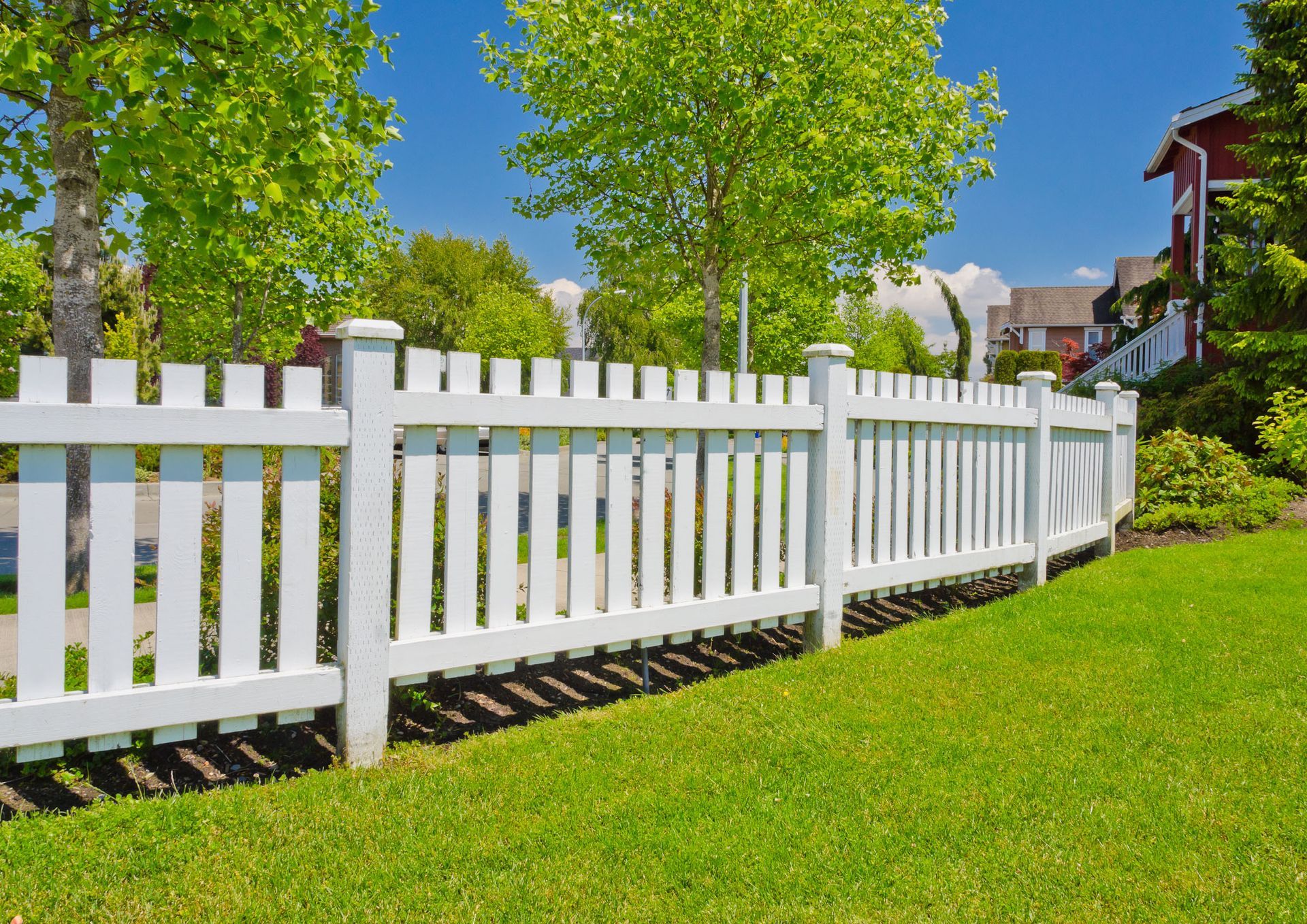
The choice of fencing style significantly affects both curb appeal and overall property ambiance. Selecting a fence that enhances and complements the architecture of the home creates cohesive aesthetics that contribute to unified design narratives. For example, a rustic home may benefit from traditional wooden picket fencing, while a contemporary residence might suit sleek metal or minimalist vinyl. Aligning styles reflects consideration and coordination between the home exterior and the yard, showcasing attention to detail. Establishing harmony through deliberate style choice improves both visual impact and satisfaction.
In addition to matching overall architectural themes, fencing provides an opportunity to emphasize or contrast specific design elements. Homeowners can utilize colors and textures to echo particular aspects of a property's facade, such as window trim or roofing materials. Conversely, contrasting styles on elements like a modern fence against a vintage house may articulate boldness and individual character. This design strategy invites perception differentiation, aligning or juxtaposing home styles to meet personal expression desires. Both approaches invite homeowners to communicate identity through symmetry or distinction.
Ultimately, thoughtfully selected fencing does more than define boundaries; it elevates your property's appearance, supports functional use, and complements your landscape. By assessing your requirements, exploring materials, and aligning design with your home's character, you can create an outdoor environment with the help of Western Pacific Fence that is both practical and visually appealing. Give us a call today to get started with a free estimate!