June 5, 2026
Choosing the right fencing material affects your property's appearance, privacy, security, and long-term maintenance needs. Homeowners often compare durability, installation costs, upkeep, and style before making a final decision. Working with experienced fence installers can help simplify the process while ensuring the finished fence complements the surrounding landscape and performs well for years. From traditional wood fencing to modern vinyl and practical chain link options, each material offers unique advantages that fit different goals and budgets. Some homeowners prioritize decorative appeal and curb enhancement, while others focus more heavily on security, pet containment, or minimizing future maintenance responsibilities. Understanding the differences between materials helps property owners make informed decisions that align with both their immediate needs and long-term expectations.
Understanding Wood Fencing Options
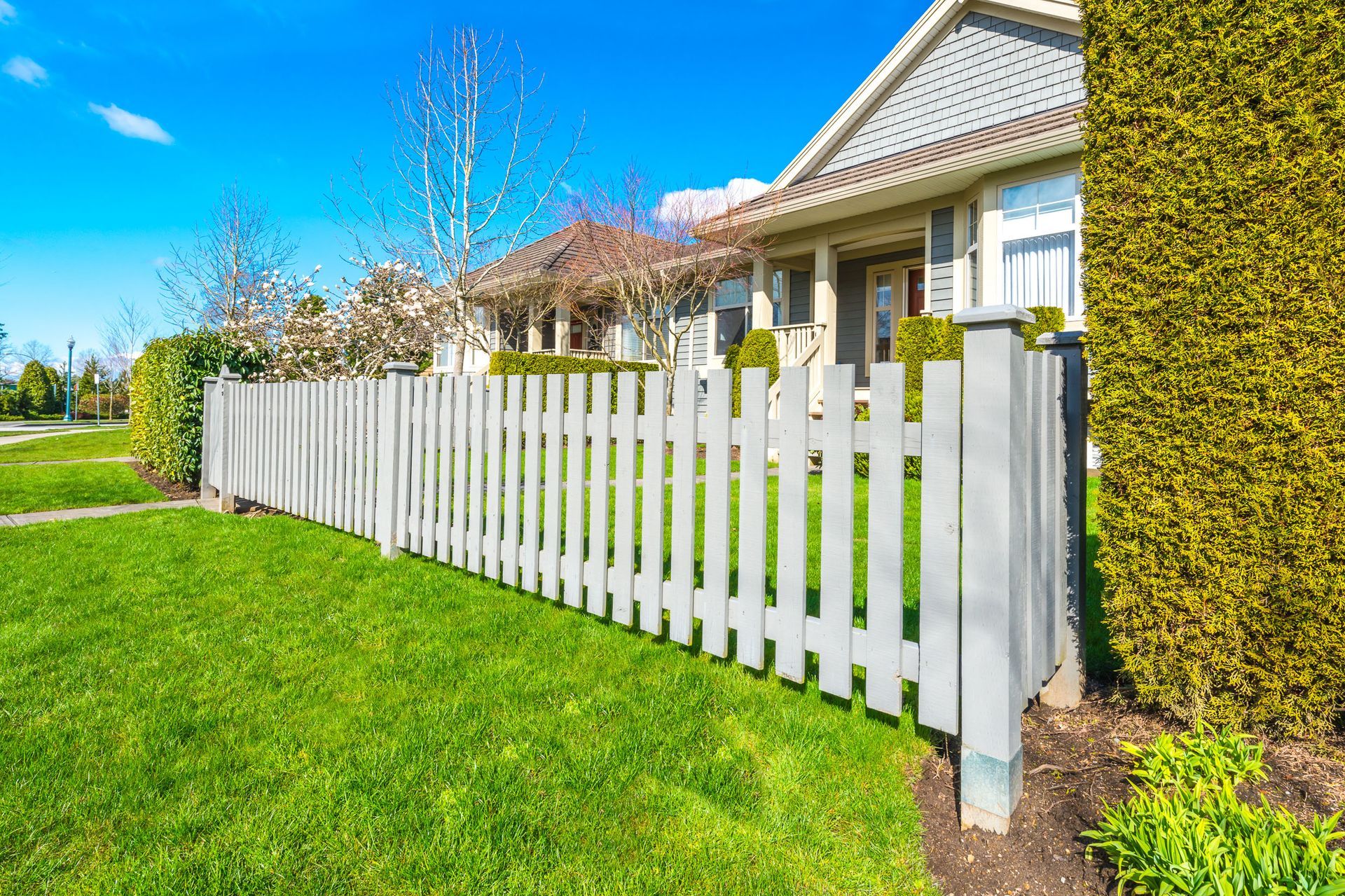
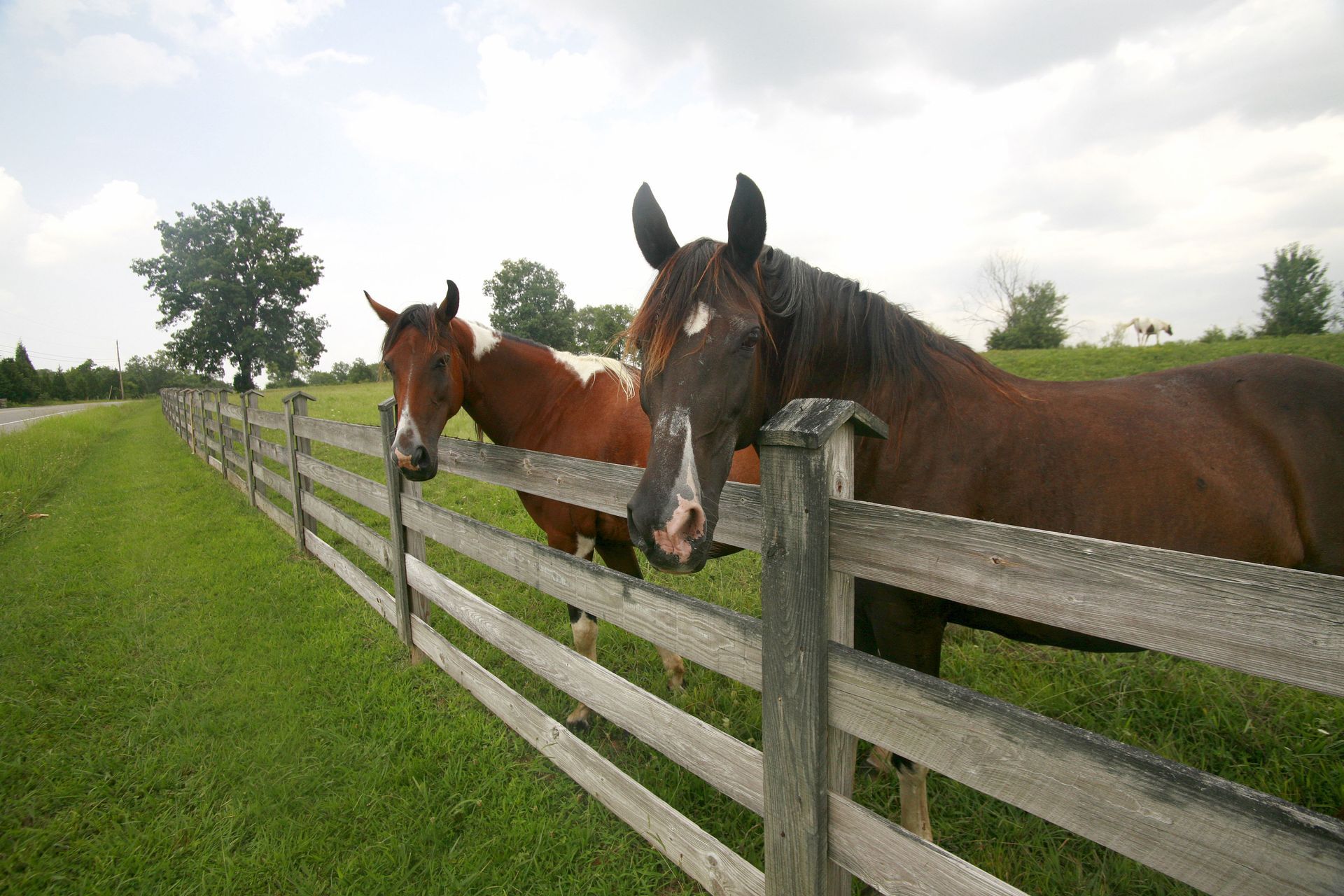
Wood fencing remains one of the most recognizable and versatile choices for residential properties. Cedar, redwood, pressure-treated pine, and cypress are among the most common materials because they each provide different balances of affordability, durability, and appearance. Cedar and redwood are especially valued for their resistance to insects and moisture, while pressure-treated pine offers a more budget-conscious solution for larger projects. Composite wood products have also become increasingly popular due to their lower maintenance demands and enhanced resistance to weather exposure. Many homeowners appreciate the traditional appearance of wood fencing because it pairs well with a variety of architectural styles, landscaping features, and outdoor living spaces.
Wood fences blend naturally into outdoor environments and allow homeowners to customize stain colors, paint finishes, heights, and decorative styles. Many people appreciate the warmth and classic curb appeal that wood provides compared to synthetic alternatives. According to Better Homes and Gardens, a wood fence usually lasts 15 to 20 years, while aluminum or vinyl fences often last longer thanks to their greater durability. Even with that lifespan, routine sealing, staining, and inspections remain essential for preserving structural integrity and minimizing rot or pest damage. Homeowners who invest in consistent maintenance often find that wood fences retain their appearance and functionality much longer than neglected installations.
Because wood requires ongoing maintenance, many homeowners hire professional fence installers to ensure proper placement, drainage considerations, and secure construction techniques. Proper installation helps reduce future warping, leaning, and moisture-related problems while extending the fence's lifespan. Skilled contractors can also recommend the best wood species for local climate conditions, helping homeowners avoid premature deterioration caused by excessive humidity, heavy rainfall, or prolonged sun exposure.
Comparing Vinyl Fencing Benefits
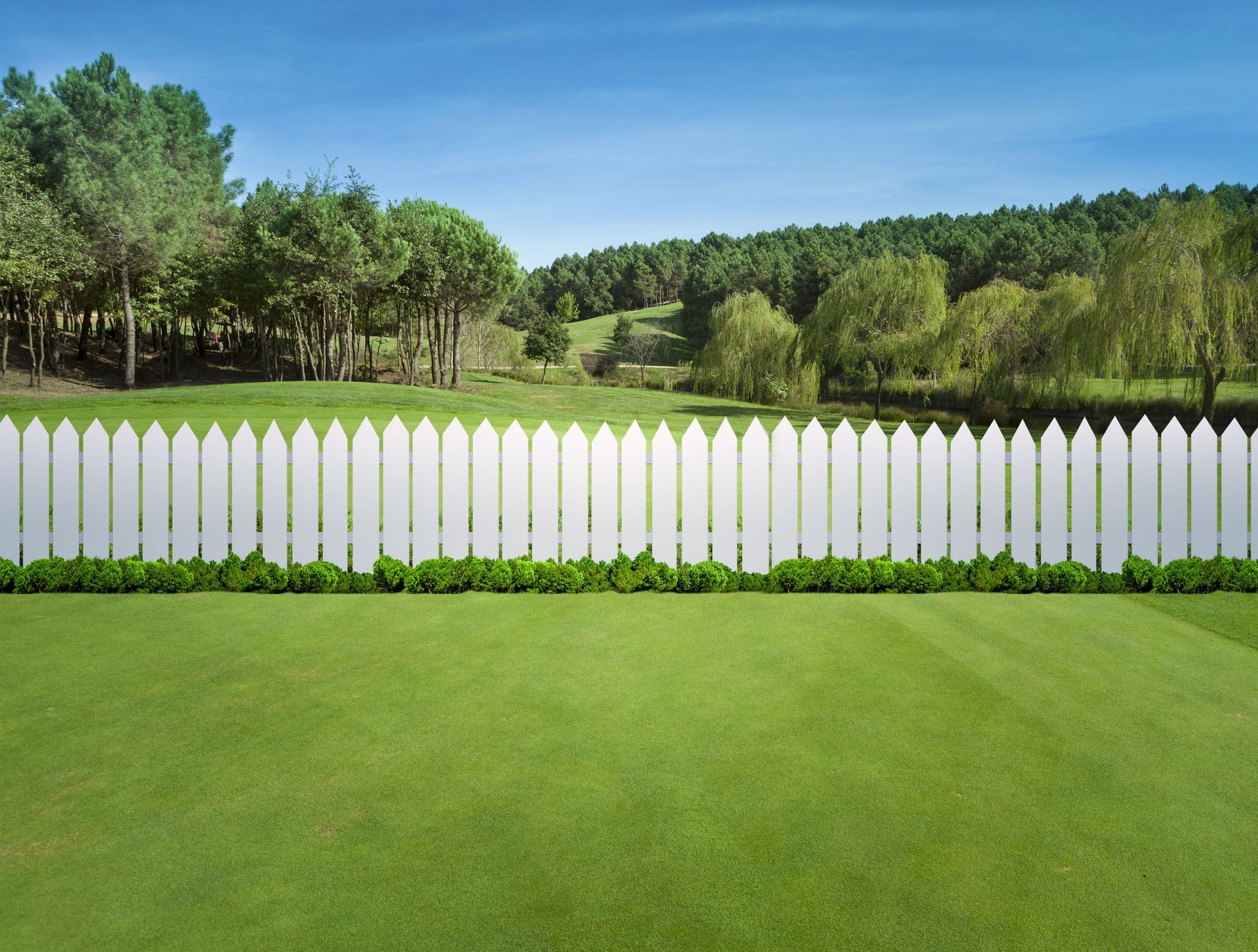
Vinyl fencing has gained widespread popularity because of its durability and minimal maintenance requirements. Manufactured from PVC materials, vinyl fences resist moisture, insects, peeling, and cracking far better than many traditional wood products. Homeowners can choose from a wide range of colors, textures, and styles that replicate the appearance of painted wood while eliminating the need for regular staining or sealing. This flexibility allows vinyl fencing to complement modern homes, traditional residences, and commercial properties alike.
One of vinyl fencing's strongest advantages is its ability to withstand harsh weather conditions with very little upkeep. Rain, humidity, direct sunlight, and temperature changes typically have less impact on vinyl compared to untreated wood. Cleaning generally requires only soap and water, making it an attractive option for homeowners seeking long-term convenience. Vinyl fencing also maintains a polished appearance for many years, which helps improve curb appeal while reducing maintenance expenses. Its resistance to pests and moisture damage further contributes to its reputation as a reliable, low-maintenance fencing solution.
The higher upfront cost of vinyl can discourage some buyers initially, but the long-term savings often offset the initial investment. Professional fence installers frequently recommend vinyl for homeowners prioritizing longevity, low maintenance, and consistent appearance over time. Proper installation is particularly important because correctly leveled posts and secure panel connections help maximize the material's durability. Quality installation also minimizes the risk of shifting, sagging, or alignment issues that can affect the fence's overall appearance and structural stability.
Exploring Chain Link Fence Applications
Chain link fencing offers a highly practical and cost-effective solution for residential, commercial, and recreational properties. Made from galvanized steel or coated metal wire, chain link fences provide dependable durability while maintaining visibility and airflow throughout enclosed areas. These fences are commonly used around playgrounds, sports fields, backyards, commercial lots, and pet enclosures because they establish clear property boundaries without creating a closed-in appearance. Their straightforward design also makes them one of the fastest fencing systems to install.
Many property owners choose this fencing because of its affordability and relatively quick installation process. Different heights, gauges, and coating options allow for customization based on security needs and aesthetic preferences. Vinyl-coated chain link fencing can provide additional corrosion resistance while softening the industrial appearance associated with traditional galvanized steel fencing. Some homeowners also incorporate privacy slats or landscaping around chain link fences to improve visual appeal and increase seclusion.
Although chain link fencing does not provide the same level of privacy as wood or vinyl, privacy slats and screening materials can improve coverage when needed. Skilled fence installers can also adapt chain link systems for uneven terrain, gates, and larger perimeter projects. The durability and low maintenance requirements make chain link fencing especially attractive for homeowners seeking dependable security on a manageable budget. In many cases, chain link remains one of the most practical choices for securing larger properties without significantly increasing project costs.
Evaluating Aluminum And Metal Materials
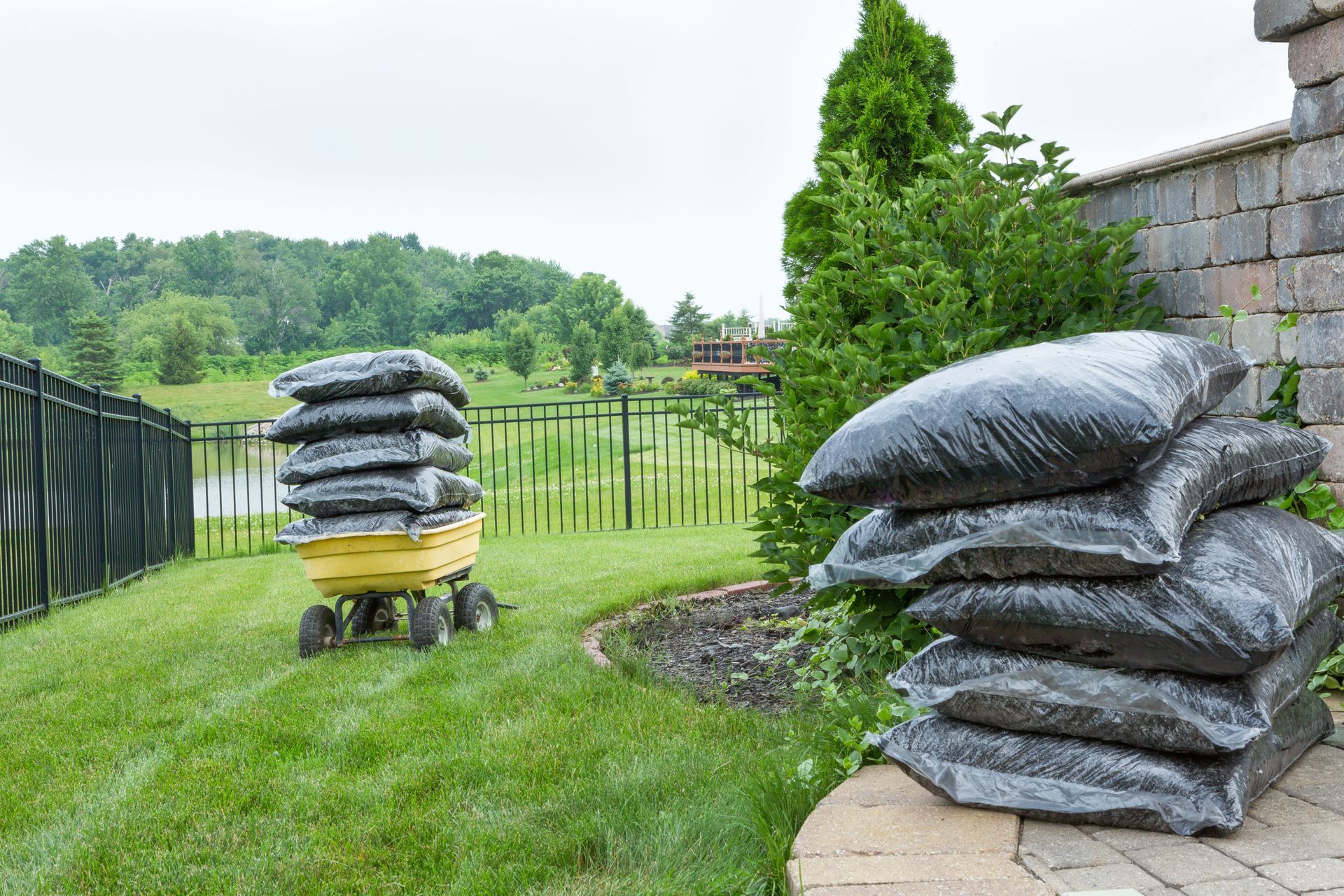
Aluminum fencing combines durability, elegance, and low maintenance into a long-lasting fencing solution suitable for many residential properties. Often designed to resemble ornamental wrought iron, aluminum fences provide an upscale appearance without the heavy maintenance demands associated with traditional iron materials. Powder-coated finishes help protect against corrosion, fading, and weather exposure, making aluminum especially effective in regions with humidity or frequent rainfall. The sleek appearance of aluminum fencing also enhances landscaping and architectural features without obstructing visibility.
Many homeowners appreciate aluminum fencing because it balances security with visibility. Decorative picket designs create open sightlines while still defining property boundaries and enhancing curb appeal. Unlike wood, aluminum does not rot, warp, or attract insects, and it generally requires little more than occasional cleaning to maintain its appearance. This makes it particularly attractive for pools, gardens, front yards, and upscale landscaping projects. Aluminum fencing can also increase property value by contributing to a clean, polished exterior appearance.
Selecting the Right Fence For Your Property
Selecting the ideal fencing material depends on several factors, including budget, maintenance expectations, property layout, privacy goals, and overall design preferences. Wood fences offer a timeless appearance and customization opportunities, while vinyl provides exceptional durability with minimal upkeep. Chain link fencing prioritizes affordability and functionality, and aluminum delivers long-lasting elegance with strong resistance to weather-related wear. Every property has different requirements, making it important to evaluate both immediate priorities and future maintenance expectations before choosing a material.
Climate conditions should also influence fencing decisions. Areas with frequent moisture, intense sunlight, or dramatic seasonal temperature changes may affect certain materials differently over time. Homeowners should evaluate not only the initial installation cost but also the expected maintenance expenses and projected lifespan of each material. Consulting experienced fence installers can help property owners identify the best material based on their specific environmental conditions and long-term priorities. Professional guidance often helps homeowners avoid expensive repairs or premature replacement caused by choosing unsuitable materials.
Professional installation contributes significantly to a fence's performance, appearance, and lifespan regardless of material type. Proper post placement, secure anchoring, and accurate measurements help reduce future repairs and structural issues. Working with knowledgeable professionals also helps ensure compliance with local property regulations and neighborhood guidelines. For more information about the services that we offer, reach out to our incredible team at Western Pacific Fence today!